Deities
Gods of the runes.
The runes did not arrive alone. In Norse myth they were won, gifted and fought over by gods. Here's who's who, how modern heathens and witches relate to them, and how to start respectfully.
The Allfather · wisdom, runes, poetry, death
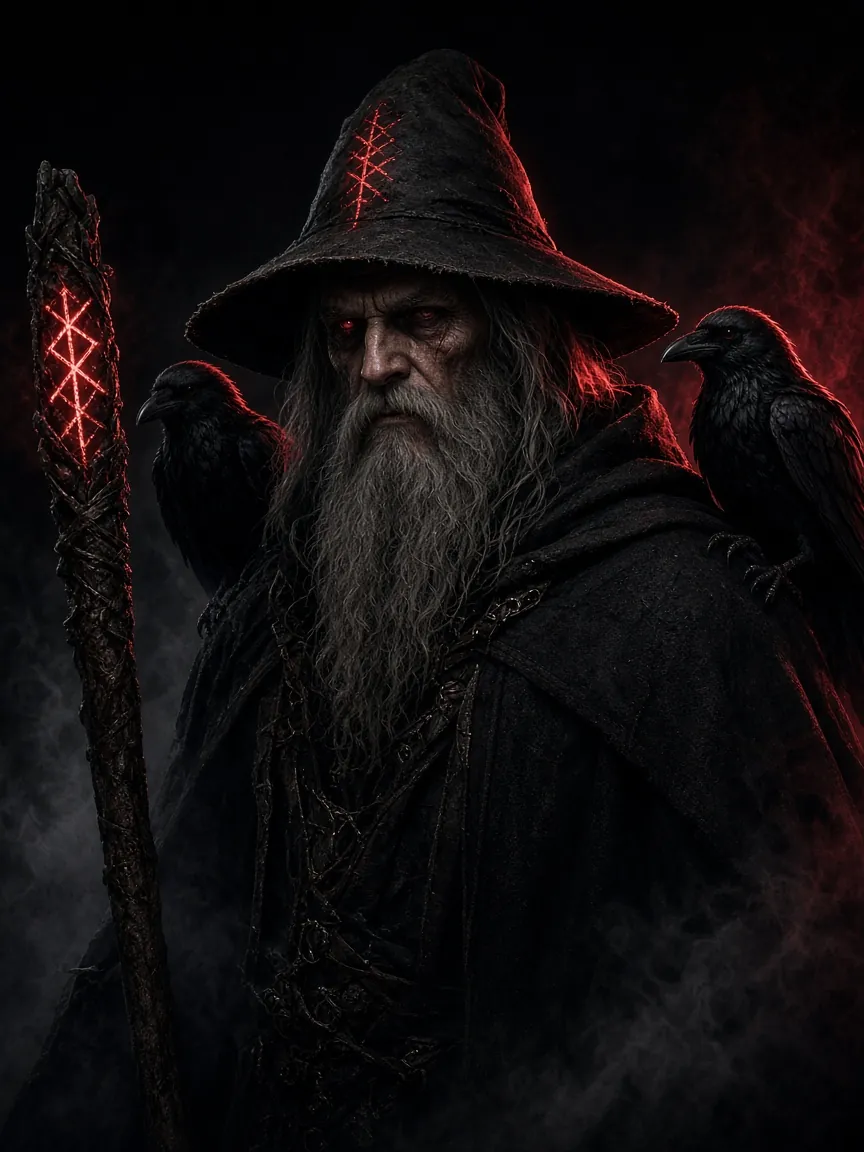
Odin
Odin hung himself on the world-tree Yggdrasil for nine nights, pierced by his own spear, to win the runes. He traded an eye for a drink from Mímir's well. Two ravens, Huginn (thought) and Muninn (memory), fly the world and report back. Work with Odin for wisdom, divination and rune study; he respects seekers but is famously unpredictable.
Runes: Ansuz, Gebo, Othala
Lady of the Vanir · love, war, seiðr, gold
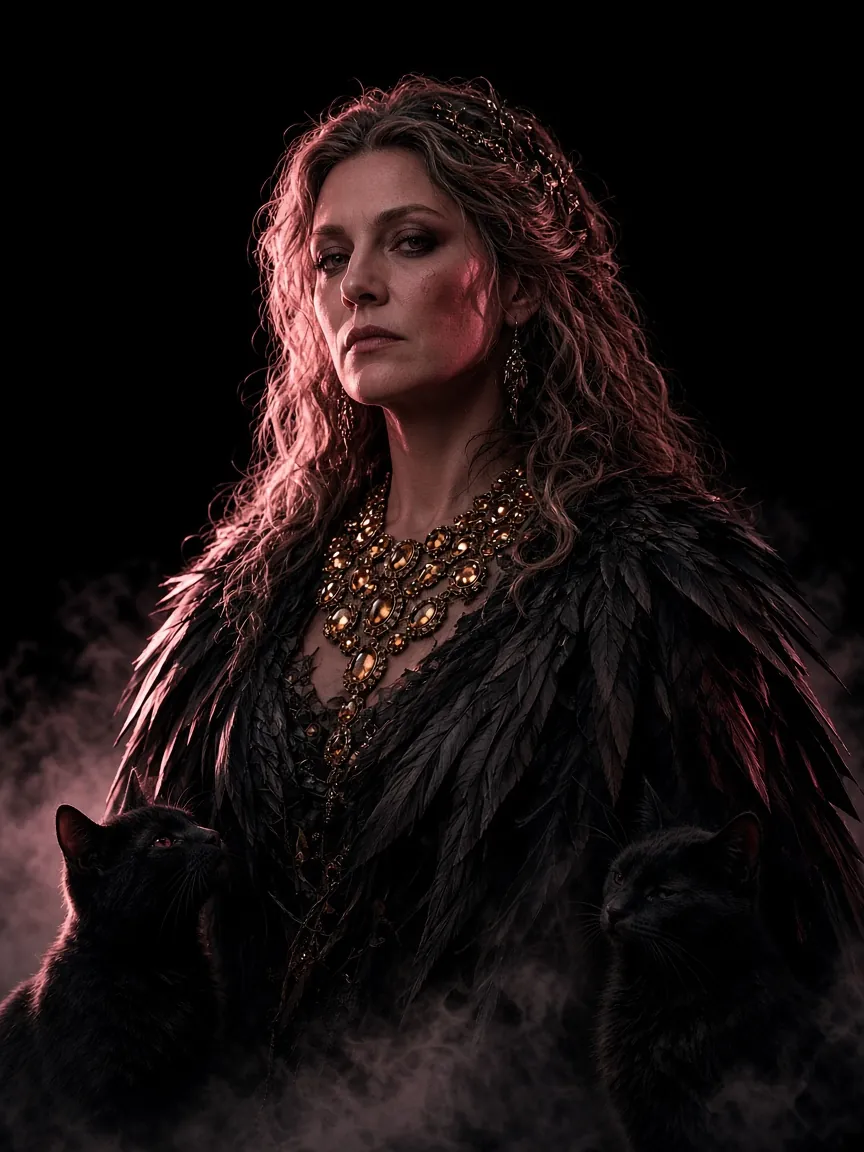
Freyja
Freyja rides a chariot drawn by cats, wears the necklace Brísingamen, and receives half the warriors who die in battle in her hall Fólkvangr. She taught seiðr, a trance magic, to the gods. Fierce, sensual and sovereign, she is no soft love goddess.
Runes: Fehu, Kenaz, Berkano
Queen of Asgard · foresight, home, weaving fate
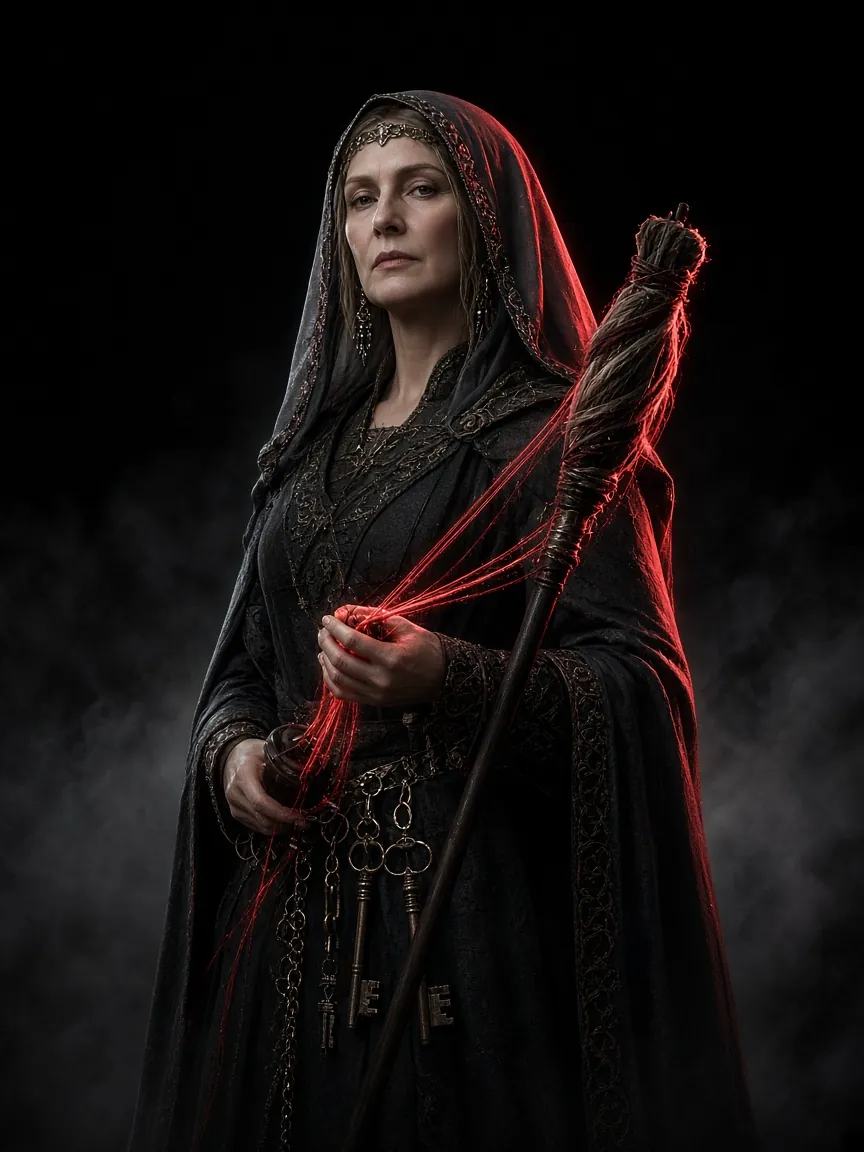
Frigg
Odin's wife knows every person's fate but never tells. She spins clouds on her distaff and keeps the keys of the household. Call on Frigg for protection of home and family and for quiet, steady wisdom.
Runes: Perthro, Berkano, Othala
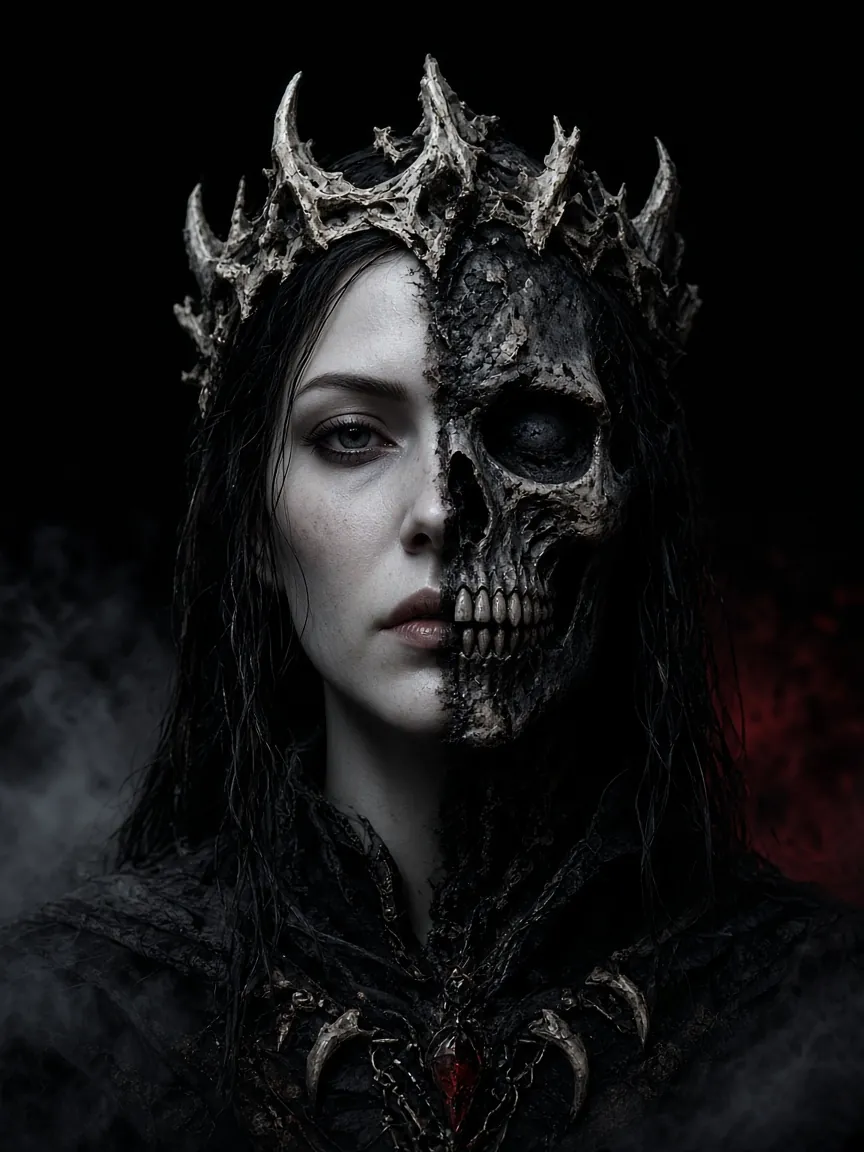
Ruler of Helheim · death, ancestors, rest
Hel
Daughter of Loki, Hel is half living, half corpse, and rules the realm where most of the dead go. She is not a devil; Helheim is not a hell of punishment. Approach her for ancestor work, grief and honest endings.
Runes: Hagalaz, Isa, Eihwaz
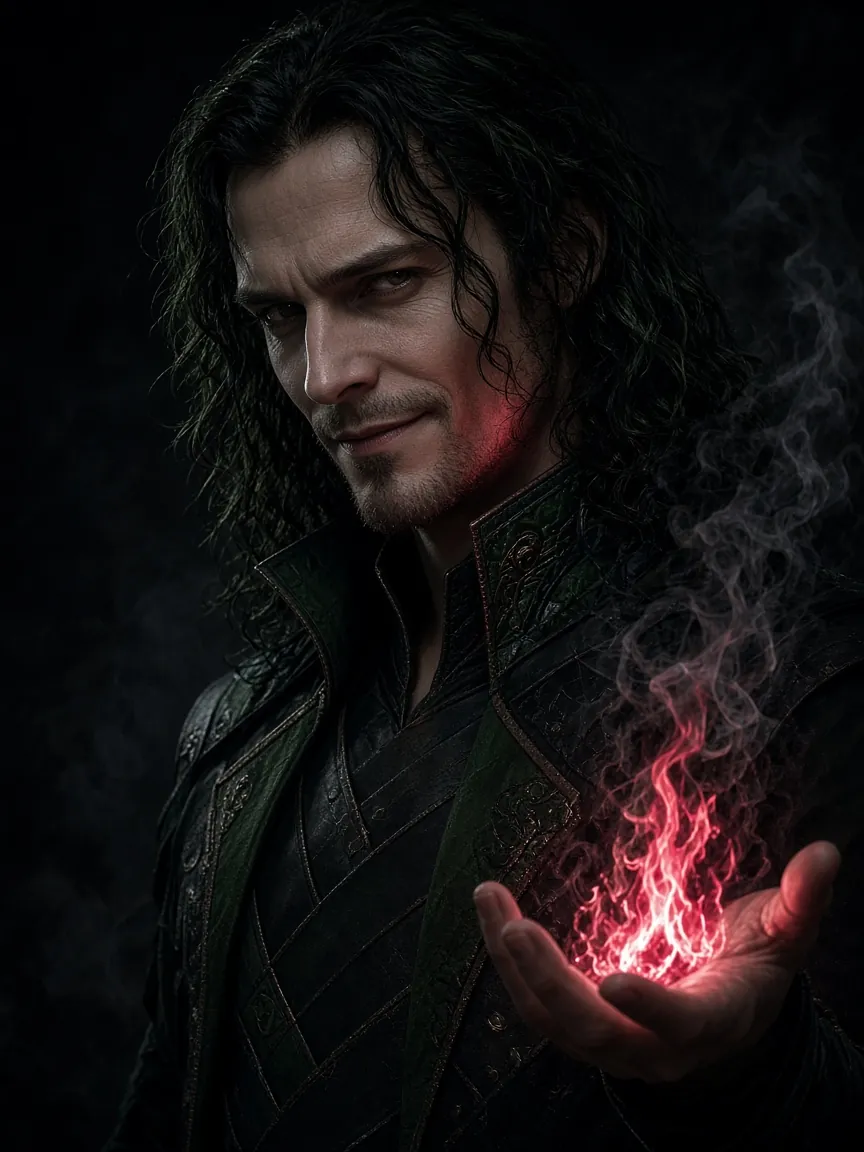
The trickster · change, chaos, cunning
Loki
Blood-brother to Odin, shapeshifter, parent of Hel, Fenrir and Sleipnir. Loki gets the gods into trouble and out again, and in the end leads giants against them at Ragnarök. Modern practitioners work with him for humour, transformation and breaking stuck patterns, but with clear boundaries.
Runes: Thurisaz, Kenaz, Dagaz
What is a deity, really?
A deity is a god or goddess: a being people honour as divine. Different paths understand them differently, and all of these views are welcome in the Fehu circle:
- Hard polytheism: the gods are real, distinct individuals with their own will.
- Soft polytheism: gods are faces of larger forces or of one divine source.
- Archetypal: gods are powerful psychological patterns you work with symbolically.
- Animist: spirit is in land, ancestors, animals and objects, and gods are among many beings.
Do I need a deity to practice?
No. Plenty of rune workers never work with a god. If you feel drawn, start small: read the myths (the Poetic Edda and Prose Edda), set a simple candle, say hello, and pay attention for a few weeks. Relationships with gods are built with consistency, not one big ritual.
Beyond the North
Every culture has its pantheon: Greek, Egyptian, Celtic, Slavic, Hindu, Yoruba, and more. Some of these are living religions with their own priesthoods and rules. Before working with a deity outside your heritage, learn whether that tradition is open, and listen to its practitioners. See Closed & living traditions.
A note on Norse symbols
Some Norse symbols and runes were stolen by white-supremacist groups. Fehu rejects that completely. Heathenry belongs to everyone who comes to it in good faith, and hate is not welcome in our circle.
The Sunday Pull
Your weekly rune, every Sunday.
One rune pull for the week ahead, a moon forecast, and a two-minute ritual. Free, forever.